- Cabinets
The Right Fit: How Many Cabinets Should a Kitchen Have?
September 17, 2025
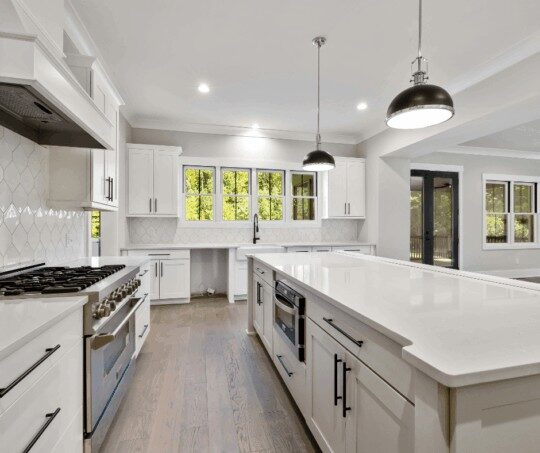
When planning a kitchen renovation, one of the most common questions homeowners in Denton, TX, and surrounding areas like Flower Mound, Frisco, and Southlake ask is, “how many cabinets should a kitchen have?” There’s no one-size-fits-all answer, as the ideal number of cabinets isn’t about hitting a specific quota, but rather about optimizing storage and functionality for your unique lifestyle and kitchen size.
Understanding the factors that influence kitchen cabinet installations and how to assess your specific needs is key to a perfectly balanced and efficient space.
Beyond the Number: The Purpose of Cabinets
Before we discuss numbers, let’s remember the primary purpose of kitchen cabinets: to provide organized, accessible storage for all your kitchen essentials, from dishes and pantry items to appliances and utensils. The goal isn’t just quantity, but quality of storage.
Factors Influencing How Many Cabinets Should a Kitchen Have?
Several key factors determine the ideal amount of cabinetry for your kitchen:
Kitchen Size and Layout
- Small Kitchens: In smaller spaces, every inch counts. You’ll need to maximize vertical storage and carefully select cabinet sizes to avoid overcrowding. Too many cabinets can make a small kitchen feel cramped, but too few means insufficient storage. The focus should be on efficient interior organization.
- Medium-Sized Kitchens: Offers more flexibility. You can balance upper and lower cabinets, introduce an island, or incorporate specialty cabinets.
- Large Kitchens: Provides ample space for extensive cabinetry, including large pantry units, appliance garages, and multiple banks of drawers. However, even large kitchens can feel overwhelming if cabinets are poorly planned.
- Layout (Galley, L-Shape, U-Shape, Island): The layout dictates wall space and corner availability, directly impacting where and how many cabinets can be placed. U-shaped and L-shaped kitchens often have more linear wall space for cabinetry.
Your Household’s Lifestyle and Needs
- Cooking Habits: Do you cook extensively, entertain frequently, or mostly use your kitchen for quick meals? A serious home chef will need significantly more storage for pots, pans, specialized tools, and ingredients than someone who rarely cooks.
- Number of Occupants: A single person or couple will require less storage than a large family.
- What You Own: Take a comprehensive inventory of your kitchen items: dishes, glassware, bakeware, small appliances, pantry items, spices, linens, and cleaning supplies. This inventory is the most crucial step in determining how many cabinets in average kitchen renovations should include for your needs.
- Bulk Buying: If you buy groceries in bulk, you’ll need more pantry storage.
Storage Type Preference (Open Shelving vs. Upper Cabinets)
- As we discussed in a previous blog, the choice between open shelving and traditional upper cabinets impacts the perceived and actual storage capacity.
- If you opt for significant open shelving, you’ll inherently have fewer enclosed cabinets, meaning your other cabinets need to work harder for hidden storage. This directly affects how many cabinets a kitchen should have to meet your concealed storage requirements.
Appliance Integration
- Built-in Appliances: Wall ovens, built-in microwaves, paneled refrigerators, and drawer dishwashers all require specific cabinet configurations, influencing the overall number and type of cabinets.
- Small Appliances: Do you store your toaster, coffee maker, and stand mixer on the counter or in dedicated appliance garages/cabinets? This impacts internal cabinet needs.
General Guidelines, Not Strict Rules: How Many Cabinets in Average Kitchen Layouts
While there’s no magic number, here are some general observations about how many cabinets in average kitchen layouts:
- Linear Foot Measurement: Kitchen cabinet designers often think in terms of linear feet of cabinetry rather than individual cabinet boxes, as cabinet widths vary greatly. A common average for a medium-sized kitchen might be around 20-30 linear feet of base cabinets and a similar amount for upper cabinets.
- Base Cabinets vs. Upper Cabinets: Most kitchens aim for a balance. Many designers advocate for more drawers in lower cabinets (as they are more efficient for access) and a mix of traditional and specialized storage in uppers.
- The “Work Zones”: Instead of counting individual cabinets, think about organizing your kitchen into logical work zones (prep, cooking, cleaning, storage). Each zone should have appropriate cabinetry nearby.
- Prep Zone: Near the sink and refrigerator, with good counter space and drawers for utensils, cutting boards, and small appliances.
- Cooking Zone: Near the range/cooktop, with cabinets for pots, pans, spices, and cooking oils.
- Cleaning Zone: Under and around the sink for cleaning supplies, recycling, and dish storage.
- Pantry/Storage Zone: Dedicated area for food and bulk items.
Maximizing Cabinet Efficiency (Quality over Quantity)
Instead of just adding more cabinets, focus on making the ones you have work harder:
- Pull-Out Solutions: Install roll-out trays, spice pull-outs, and waste bin pull-outs to maximize accessibility.
- Vertical Dividers: Perfect for organizing baking sheets, platters, and cutting boards.
- Corner Solutions: Utilize blind corner pull-outs or lazy Susans to make corner cabinets functional.
- Deep Drawers: Opt for deep drawers for pots, pans, and even stacked dishes.
- Custom Inserts: Integrate cutlery trays, knife blocks, and plate peg systems.
- Full-Height Pantry Cabinets: A well-designed pantry cabinet can replace numerous smaller upper or lower cabinets.
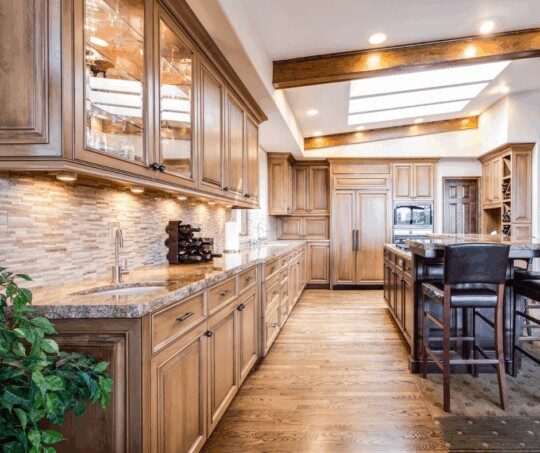
Explore Expert Kitchen Cabinet Services at The Design House
Struggling with how many cabinets should a kitchen have to meet your storage needs without overwhelming your space? At The Design House, we take the guesswork out of kitchen planning. Our expert designers in Denton, TX, will help you assess your lifestyle, inventory your items, and craft a personalized cabinet layout that’s both stunning and supremely efficient. Visit our showroom location in Denton, TX.
We add value for our customers through foresight, integrity, and excellent performance, serving with character and purpose that brings honor to God. We’re a local family living out our dream of being your home interior transformation specialists, ensuring everything you need is right here in your own backyard. Call or Visit The Design House.
Our Service Areas
We proudly service the areas of Argyle, Aubrey, Carrollton, Corinth, Denton, Flower Mound, Frisco, Justin, Krum, Lake Dallas, Lewisville, Little Elm, Pilot Point, Ponder, Roanoke, Sanger, The Colony, Colleyville, Crowley, Grapevine, Haslet, Hurst, Keller, Southlake, Celina, Frisco, McKinney, Plano, Bridgeport, and Decatur, TX.
- Cabinets
- Kitchen Remodeling